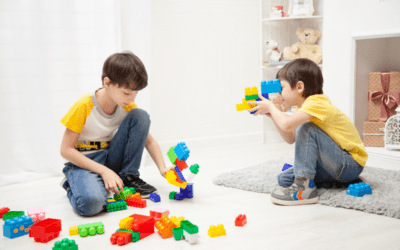
What is Behaviour Support at Home?
Behaviour support at home is a personalised approach that helps children manage behaviours, learn new skills, and improve daily routines. It uses evidence-based strategies delivered in the child’s natural environment, supporting consistent learning and making everyday life easier for the whole family.
Many children with autism, ADHD, learning difficulties, or developmental delays face challenges that affect home life. This can include difficulty following routines, managing emotions, or completing tasks independently. Behaviour support at home brings therapy into the environment where your child spends most of their time, making it easier to apply skills in real situations.
At Freedom Therapy Services, we provide tailored behaviour support plans that empower both children and parents. Our team works directly with families to create positive changes that last.
Why Choose Behaviour Support at Home?
While clinic sessions provide structure, home-based support offers unique advantages.
1. Real-Life Practice
Skills are taught and reinforced in the same setting where they’re needed. This helps children generalise behaviours to daily life.
2. Immediate Relevance
Therapists can address real challenges as they happen, such as morning routines, mealtime behaviours, or homework struggles.
3. Family Involvement
Parents and carers actively participate in sessions, learning strategies they can use every day.
Who Can Benefit from Behaviour Support at Home?
Home-based support is suitable for children and teens who may have:
- Autism Spectrum Disorder (ASD)
- Attention Deficit Hyperactivity Disorder (ADHD)
- Learning difficulties
- Developmental delays
- Behavioural challenges
It’s especially useful for children who need help with daily routines, communication, or emotional regulation in their home environment.
How Behaviour Support at Home Works at Freedom Therapy Services
Initial Assessment
We meet with families to understand challenges, strengths, and goals. This may involve observations, discussions, and reviewing any existing reports.
Personalised Behaviour Support Plan
We design a plan with specific, achievable goals — for example, reducing meltdowns during transitions or improving play skills with siblings.
Evidence-Based Strategies
Techniques such as positive reinforcement, visual schedules, and step-by-step teaching are used to promote positive behaviours.
Ongoing Coaching
We guide parents through each strategy so they feel confident applying it between sessions.
Learn more about our Behaviour Therapy services
Behaviour Support at Home and the NDIS
If your child is an NDIS participant, behaviour support at home may be funded under Improved Relationships or Capacity Building Supports. This includes assistance to reduce behaviours of concern and build new skills.
You can read more about eligibility and funding on the NDIS website.
Common Goals for Behaviour Support at Home
- Morning Routines: Getting ready for school without stress
- Communication Skills: Asking for help instead of showing frustration
- Self-Regulation: Using calm-down tools when feeling overwhelmed
- Social Skills: Playing fairly with siblings or friends
- Independence: Completing chores or self-care tasks
Benefits Parents Often Notice
- Fewer daily conflicts and meltdowns
- More independence in routines
- Improved communication
- Greater confidence for both child and parent
- A calmer, more positive home environment
Practical Examples of Behaviour Support Strategies at Home
- Using a visual schedule for morning routines
- Offering choices to encourage decision-making
- Breaking down tasks into small, manageable steps
- Using token boards or reward systems for motivation
- Practicing role-play for tricky social situations
How to Get Started with Behaviour Support at Home
- Book a consultation with our team.
- Assessment to identify key priorities and challenges.
- Create your personalised plan with clear, realistic goals.
- Regular home visits with therapist guidance and parent training.
Contact us today to find out how home-based support can make a difference.
FAQs About Behaviour Support at Home
Q1: Can behaviour support at home help with challenging behaviours?
A: Yes. Strategies can reduce behaviours of concern while teaching positive alternatives.
Q2: How often should sessions happen?
A: This varies depending on goals and funding. Many families choose weekly or fortnightly visits.
Q3: Do parents need to be present during sessions?
A: Yes. Parent participation is key to ensuring strategies are used consistently.
Q4: Will the plan change over time?
A: Yes. Goals and strategies are reviewed regularly and updated as your child progresses.
Reach out to us today
With the right strategies, home can become a place where your child feels capable, confident, and calm. Contact Freedom Therapy Services today to begin your journey toward a happier home life.