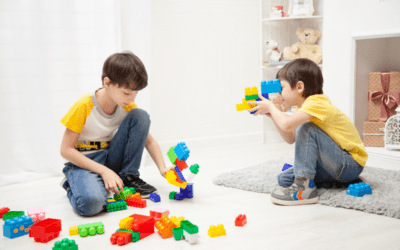
Combining psychology and behaviour support gives children consistent, whole-child care. When clinicians work together, therapy addresses both emotional needs and behaviour challenges. This integrated approach supports lasting change for children with autism, ADHD, learning difficulties, and behavioural challenges, while reducing stress for families.
Parenting a Child With Extra Needs Can Feel Overwhelming
If you are reading this, you are likely doing everything you can.
You may feel exhausted.
You may feel unsure which support is best.
Many parents tell us they feel stuck between services.
One professional focuses on emotions.
Another focuses on behaviour.
The advice does not always connect.
That can be frustrating and confusing.
At Freedom Therapy Services, we believe children do best when psychology and behaviour support work together.
What Is Psychology Support for Children?
Psychology support focuses on how children think, feel, and cope.
It supports emotional wellbeing and mental health.
A child psychologist may help with:
- Emotional regulation
- Anxiety and worries
- Big feelings and meltdowns
- Social skills
- Self-esteem
- Trauma or life changes
Psychology helps children understand their emotions.
It teaches coping and calming strategies.
Our Psychology clinicians use child-friendly, evidence-based approaches.
Sessions feel safe, supportive, and practical.
But understanding feelings alone is not always enough.
What Is Behaviour Support?
Behaviour support focuses on what children do and why.
It views behaviour as communication.
Behaviour support helps children to:
- Reduce challenging behaviours
- Learn safer replacement behaviours
- Build daily living skills
- Cope better at home, school, and in the community
Behaviour support plans also guide adults.
They help parents, carers, and teachers respond consistently.
Our Behaviour Support practitioners use positive behaviour support.
They focus on skill-building, not punishment.
This works best when emotional needs are also supported.
Why Combining Psychology and Behaviour Support Makes a Difference
Children do not separate emotions from behaviour.
Neither should therapy.
When psychology and behaviour support are combined:
- Emotional triggers are identified
- Behaviour strategies make more sense
- Therapy goals align
- Progress feels more achievable
Instead of working in silos, clinicians work as a team.
This creates clearer support for children and families.
The Benefits of One Clinic Offering Both Services
One of the biggest advantages is collaboration.
Our clinicians work together within the same clinic.
This means:
- Shared understanding of your child
- Regular communication between clinicians
- Consistent goals and strategies
- Less repetition for parents
You do not have to explain your child’s story multiple times.
You do not have to choose which advice to follow.
We do the coordination for you.
How Integrated Therapy Supports Different Children
Children With Autism
Autistic children often experience sensory and emotional overwhelm.
This can lead to distress and challenging behaviour.
Psychology helps with:
- Emotional awareness
- Coping with change
Behaviour support helps with:
- Predictable routines
- Visual supports
- Skill development
Together, they support regulation and safety.
Children With ADHD
Children with ADHD may struggle with:
- Impulsivity
- Emotional regulation
- Consistency
Psychology supports emotional skills and confidence.
Behaviour support builds structure and clear expectations.
Combined support helps children succeed across settings.
Children With Anxiety or Trauma
Anxiety and trauma often drive behaviour.
Children are not being “naughty”.
They are overwhelmed.
Psychology addresses the emotional root.
Behaviour support creates predictability and safety.
Together, they build trust and resilience.
Supporting Parents Is Part of the Process
Parents need support too.
You are not meant to do this alone.
When services work together:
- Advice feels clearer
- Strategies feel manageable
- Confidence grows
We also offer Parent Coaching to support families at home.
This helps turn therapy strategies into everyday routines.
Small changes can make a big difference.
How This Approach Fits With the NDIS
The NDIS values coordinated, capacity-building supports.
Combining psychology and behaviour support aligns strongly with NDIS goals.
This approach focuses on:
- Skill development
- Long-term outcomes
- Family involvement
You can learn more about NDIS supports at
👉 https://www.ndis.gov.au
For trusted autism information, visit
👉 https://www.autismawareness.com.au
Why Families Choose Freedom Therapy Services
Families choose us because we offer integrated care.
Both services are available in one place.
At Freedom Therapy Services:
- Psychologists and behaviour support clinicians collaborate
- Children receive consistent support
- Parents feel heard and supported
- Therapy plans make sense
We believe children thrive when adults work together.
Is Combined Support Right for Your Child?
This approach may help if:
- Behaviour plans are not working
- Emotional needs feel unmet
- You receive mixed advice
- Progress feels slow
This is not a failure.
It may simply mean your child needs coordinated support.
Frequently Asked Questions
Can my child receive psychology and behaviour support at the same time?
Yes. Many children benefit from receiving both services together.
Do your clinicians communicate with each other?
Yes. Our team collaborates regularly to align goals and strategies.
Is this suitable for NDIS participants?
Yes. Our services support NDIS capacity-building goals.
Do parents receive guidance as well?
Yes. Parent coaching is an important part of our approach.
Get Support That Works Together
You do not have to navigate this journey alone.
We are here to help.
If you would like to explore combining psychology and behaviour support for your child, contact Freedom Therapy Services today.
We would love to support your family.