The Social Side of Halloween
Halloween can be an exciting, but overwhelming, time for children—especially those with autism, ADHD, or social challenges. From costumes and parties to trick-or-treating, the social expectations can be confusing.
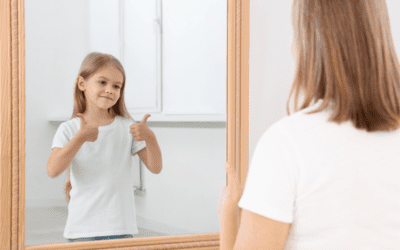
But here’s the good news: Halloween provides a perfect chance to practice social skills in real life.
Social interactions—like greeting neighbours, saying “thank you,” or taking turns—are at the heart of this holiday. With a little planning, your child can enjoy Halloween while learning valuable communication and emotional skills.
Understanding Your Child’s Needs
Each child experiences Halloween differently. Loud noises, bright lights, or large crowds can trigger sensory overload. Others may find it difficult to read social cues or manage emotions during busy events.
Before diving into activities, consider your child’s comfort level:
– Does your child enjoy dressing up or prefer familiar clothes?
– Are they more comfortable in small groups or at home?
– Do they understand the trick-or-treating routine?
Knowing these answers helps you tailor experiences to support your child’s social and emotional growth.
Preparing for Social Success
1. Practice Social Scenarios
Before Halloween, role-play common situations:
– Saying “Trick or treat!”
– Thanking neighbours
– Sharing lollies with friends
Role-playing helps children rehearse the words, tone, and timing of social interactions in a safe, low-pressure way.
🧩 Tip: You can also use social stories—short, illustrated guides that explain what happens at Halloween. They build confidence by making social expectations clear and predictable.
2. Work on Emotional Regulation
Excitement can quickly turn to overwhelm. Prepare your child by teaching simple coping tools like:
– Deep breathing
– Counting to five
– Asking for a break
Our Behaviour Support sessions can help children learn emotional regulation strategies that carry over into real-world events like Halloween.
3. Create a Halloween Plan
A predictable plan can make Halloween smoother for everyone.
Include:
– What time you’ll start trick-or-treating
– How many houses you’ll visit
– When to head home
You can also create a “safe word” your child can use if they feel overwhelmed. This gives them control and helps prevent meltdowns.
Building Key Social Skills During Halloween
🎭 1. Communication and Conversation
Encourage your child to use simple, clear phrases when meeting others. Even a wave or “thank you” counts! Praise every small success—it reinforces confidence and motivation.
🍬 2. Turn-Taking and Sharing
Trick-or-treating teaches patience and fairness. Waiting their turn at each house or sharing lollies afterward can help children practice impulse control and cooperation.
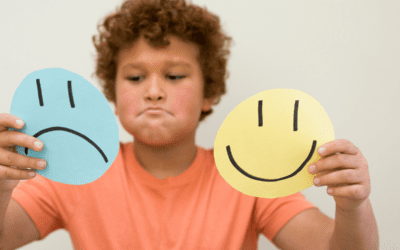
😊 3. Reading Facial Expressions
Halloween masks and costumes can make it tricky to read emotions. Point out friendly gestures, like waving or smiling, to help your child interpret social cues more accurately.
💬 4. Perspective-Taking
Talk about how others might feel during Halloween. For example, “That little boy looks scared—what can we do to help him feel safe?” This builds empathy, an important social skill.
When Halloween Feels Too Hard
Sometimes, despite best efforts, Halloween can still feel overwhelming. That’s okay.
You might choose to celebrate in quieter ways, such as:
– Hosting a small costume party at home
– Watching a Halloween movie together
– Decorating pumpkins as a family
What matters most is that your child feels included and supported. Every child learns social skills at their own pace.
If challenges persist, our Psychology team can provide gentle, tailored support to help your child thrive socially and emotionally.
How Parents Can Support Social Learning Year-Round
Halloween is just one moment in your child’s social journey. You can encourage ongoing progress through:
– Playdates: Practice sharing, turn-taking, and conversation skills.
– Family games: Teach cooperation and patience.
– Community activities: Provide opportunities to interact with new people in supportive settings.
Our Parent Coaching services give you tools and strategies to help your child develop these skills in everyday life.
Trusted Australian Resources
For more information and support, visit:
– Autism Awareness Australia
– NDIS – Early Childhood Approach
These organisations offer valuable guidance for families navigating social and sensory challenges.
FAQ
Q: How can I help my child with autism enjoy Halloween?
A: Prepare in advance with visual supports, social stories, and role-play. Keep activities short, familiar, and low-sensory.
Q: What if my child doesn’t want to wear a costume?
A: That’s fine! Choose comfortable clothes or themed pyjamas instead. The goal is to participate in a way that feels safe and fun.
Q: How can Halloween help build social skills?
A: Halloween provides natural chances to practice greetings, turn-taking, and emotional awareness in real-world settings.
How Freedom Therapy Services Can Help
At Freedom Therapy Services, we know how important it is for children to feel confident in social situations. Our experienced therapists help families turn everyday moments—like Halloween—into opportunities for growth.
🖐️ Contact us today to learn how Behaviour Support, Psychology, or Parent Coaching can support your child’s social development and wellbeing.
Get in touch with us to book an appointment or learn more.