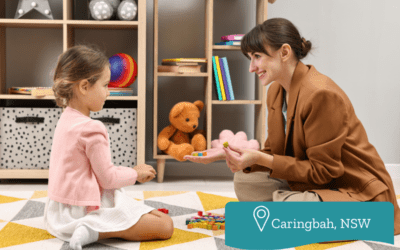
Many children struggle to understand their emotions, strengths, and identity. This is common for children with autism, ADHD, learning difficulties, or behavioural challenges. Self-awareness activities can help children recognise their feelings, build confidence, and develop emotional regulation skills. Parents can support this growth through simple daily conversations and structured activities at home.
Parents often notice their child reacting strongly to small situations. Some children feel frustrated easily. Others avoid challenges or struggle to explain how they feel. These moments can feel overwhelming for families.
The good news is that self-awareness is a skill. Children can learn it with support, patience, and practice.
The Self-Awareness and Identity Activity Booklet from Freedom Therapy Services provides practical ways to help children better understand themselves.
Why Self-Awareness Matters for Children
Self-awareness helps children understand:
- Their emotions
- Their thoughts
- Their strengths
- Their challenges
- Their reactions to situations
Children who develop self-awareness often improve their emotional regulation skills. They may also build stronger friendships and cope better with stress.
For children with autism or ADHD, this skill is especially important. Many children experience emotional overload without understanding why. Others struggle to recognise body signals linked to anxiety, anger, or frustration.
When children learn to identify their feelings, they gain more control over their responses.
Signs Your Child May Need Support With Self-Awareness
Some children naturally talk about their feelings. Others need more guidance.
You may notice your child:
- Has emotional outbursts
- Says “I don’t know” when upset
- Struggles with confidence
- Finds change difficult
- Avoids trying new things
- Has trouble understanding others’ feelings
- Becomes overwhelmed quickly
These challenges do not mean your child is failing. They may simply need support developing emotional insight.
Simple Self-Awareness Activities for Children
Parents do not need complicated programs to support emotional growth. Small daily activities can make a big difference.
Emotion Check-Ins
Create a simple routine where your child names their feelings.
You can ask:
- “How does your body feel today?”
- “What emotion matches your day?”
- “What made you feel proud today?”
Visual supports can help younger children or children with communication difficulties. Emotion charts and feeling cards work well.
Strength Spotting
Many children focus on what they cannot do. Help your child notice their strengths regularly.
You could say:
- “You were very patient today.”
- “I noticed how kind you were.”
- “You kept trying even when it was hard.”
Children build confidence when adults recognise effort and personal qualities.
Identity Activities
Identity activities help children understand who they are beyond school or behaviour challenges.
Encourage your child to explore:
- Their interests
- Favourite activities
- Personal values
- Cultural background
- Goals and dreams
Drawing “All About Me” posters can be a great starting point.
Reflection Questions
Simple reflection builds emotional insight over time.
Try asking:
- “What was the best part of your day?”
- “What felt tricky today?”
- “What helped you calm down?”
Keep conversations gentle and supportive. Avoid turning them into lessons or corrections.
Self-Awareness and Emotional Regulation
Self-awareness connects closely with emotional regulation.
Children first need to recognise emotions before they can manage them.
For example, a child who notices rising frustration may learn to:
- Take deep breaths
- Ask for help
- Use calming tools
- Take a movement break
Without self-awareness, emotions can feel sudden and confusing.
This is why emotional learning should happen during calm moments, not only during meltdowns.
Families often benefit from professional support through Freedom Therapy Services and their Behaviour Support services.
Supporting Children With Autism and ADHD
Children with autism and ADHD may experience emotions differently.
Some children feel emotions intensely. Others struggle to identify internal body signals. Sensory sensitivities can also affect emotional awareness.
Parents can support their child by:
- Using predictable routines
- Keeping language clear and simple
- Modelling emotional language
- Using visuals and social stories
- Practising calming strategies together
Children often learn emotional skills best when adults model them consistently.
For example:
- “I feel frustrated right now, so I’m taking a deep breath.”
- “My body feels tired today, so I need a break.”
These small examples teach children emotional vocabulary naturally.
Building Confidence Through Self-Understanding
Children who understand themselves often feel more confident.
They begin to recognise:
- “I can ask for help.”
- “I am good at drawing.”
- “I feel calmer after movement.”
- “I need quiet time when overwhelmed.”
This awareness helps children advocate for their needs.
It also reduces shame. Many children with learning or behavioural challenges feel “different” without understanding why. Self-awareness helps children see their strengths alongside their difficulties.
Working with a child psychologist can also support this growth. Freedom Therapy Services offers Psychology services for children and families needing additional support.
Helping Parents Feel More Confident Too
Parents often feel pressure to “fix” behaviours quickly.
However, emotional development takes time. Progress usually happens slowly and steadily.
The goal is not perfect behaviour. The goal is helping children understand themselves better each day.
Parents also benefit from learning supportive communication strategies.
Freedom Therapy Services provides Parent Coaching to help families feel more confident supporting emotional regulation and behaviour at home.
When to Seek Professional Support
Some children need extra help developing emotional awareness and regulation skills.
Professional support may help if your child:
- Has frequent emotional outbursts
- Struggles socially
- Experiences anxiety often
- Shows low self-esteem
- Has difficulty identifying emotions
- Finds daily routines overwhelming
Early support can improve confidence, emotional wellbeing, and family relationships.
You can also explore resources from Autism Awareness Australia and NDIS for additional guidance and support options.
Small Steps Create Big Change
Self-awareness grows through small daily moments.
A simple conversation.
A reflection question.
A calming strategy.
A reminder of your child’s strengths.
These moments help children build emotional understanding over time.
Parents do not need to do everything perfectly. Children benefit most from feeling safe, supported, and understood.
The Self-Awareness and Identity Activity Booklet offers practical ways to start these conversations at home.
Frequently Asked Questions
What are self-awareness activities for children?
Self-awareness activities help children understand their emotions, thoughts, strengths, and behaviours. These activities may include emotion check-ins, reflection questions, and identity exercises.
Why is self-awareness important for children with ADHD or autism?
Self-awareness helps children recognise emotions and understand their needs. This can improve emotional regulation, confidence, and social skills.
How can parents support emotional regulation at home?
Parents can support emotional regulation by modelling calm behaviour, using emotional language, creating routines, and practising calming strategies regularly.
When should I seek professional help for my child?
Professional support may help if your child experiences ongoing emotional distress, frequent meltdowns, anxiety, or significant behavioural challenges.
Support Your Child’s Emotional Growth
Every child deserves to feel understood and confident in who they are.
If your family needs support with emotional regulation, behaviour, or self-awareness skills, the team at Freedom Therapy Services can help.
Contact Freedom Therapy Services today to learn how personalised therapy and parent support can help your child thrive.